Lutein vs Zeaxanthin: Which Ingredient Should Buyers Choose?
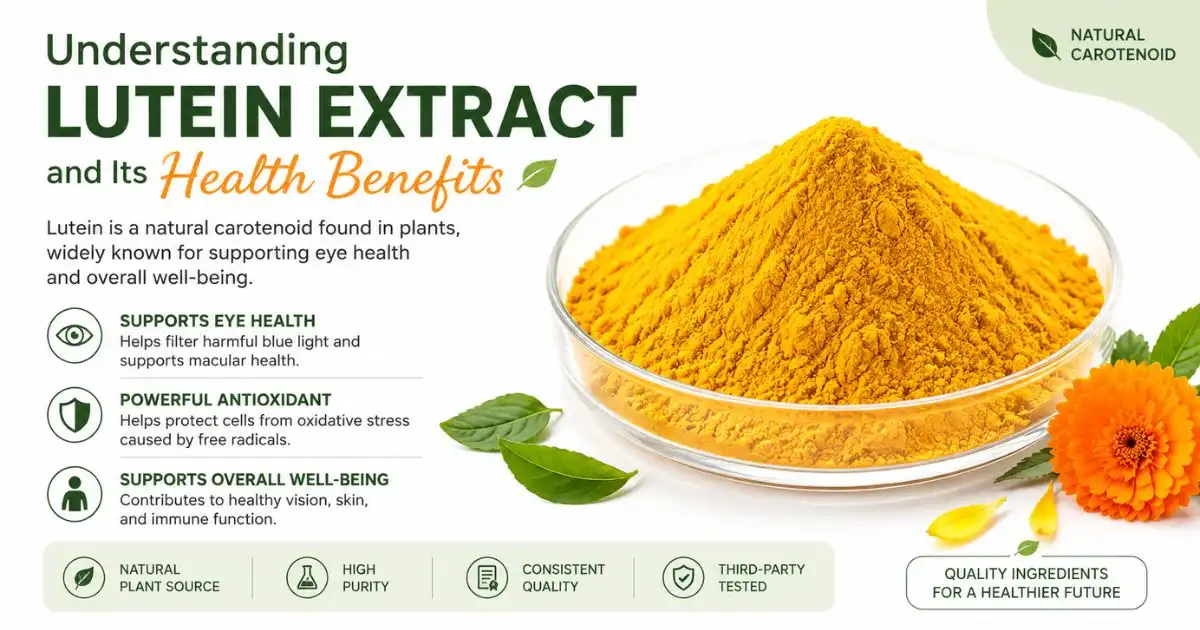
Yangge Biotech supplies high-quality Lutein Powder, a natural carotenoid derived from marigold flowers (Tagetes erecta). Available in different specifications, Lutein Powder is widely used as a natural yellow-orange colorant and functional ingredient in dietary supplements, functional foods, beverages, gummies, tablets, capsules, and other nutraceutical products.
For product specifications, samples, certifications, bulk pricing, and OEM solutions, contact Yangge Biotech today.
Email: info@yanggebiotech.com
When sourcing carotenoids for eye health supplements or infant formula, the choice between lutein and zeaxanthin is rarely straightforward. Both are xanthophyll carotenoids concentrated in the human macula, and both filter harmful blue light while neutralizing oxidative stress. For most adult eye care formulations, lutein carries stronger clinical backing and broader regulatory acceptance. Zeaxanthin, meanwhile, plays a precise role in central macular pigment density. Understanding how each ingredient behaves across different product formats, dosage tiers, and supply chain constraints is what separates a profitable launch from a costly reformulation.
Understanding the Fundamentals of Lutein and Zeaxanthin
What Makes These Two Carotenoids Unique
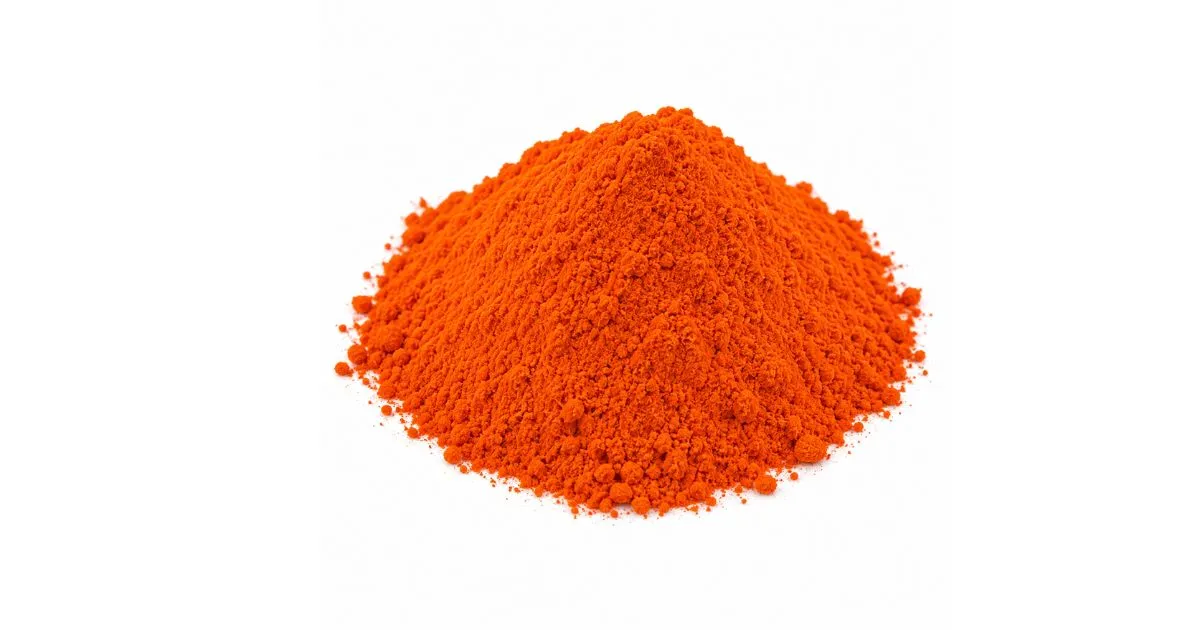
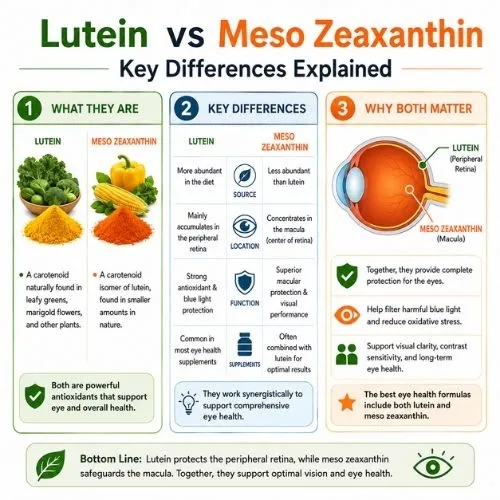
The only thing that makes lutein and zeaxanthin different is one double bond in an end ring. Chemically, they are both C₄₀H₅₆O₂ and structurally they are the same. Lutein has three chiral centers instead of two in zeaxanthin because of this small difference. This changes how each molecule sits in retinal tissue. The macula lutea is where they both build up. Free radicals can damage cells, but these plants naturally block light and fight harm to cells. A very important study by Seddon et al. in 1994 found a link between these pigments found in food and a lower risk of age-related macular degeneration (AMD). Since then, the AREDS2 study found that a supplement with lutein and zeaxanthin slowed the progression of advanced AMD in people who were at risk by 25% over five years.
Natural Sources and Commercial Extraction
Both ingredients are still mostly bought in bulk from marigold flowers (Tagetes erecta). Lutein is primarily found in marigold plants in the form of fatty acid esters that are linked to lauric, myristic, or palmitic acid. Once these esters are saponified, they are changed into free lutein. This is the potent form that is found in vitamins for eye health. There are smaller amounts of lutein and zeaxanthin in marigold flowers, which changes the prices and quantity on the market.
| Attribute | Lutein | Zeaxanthin |
|---|---|---|
| Primary source | Marigold flower | Marigold / paprika / wolfberry |
| Form in plant | Lutein ester → free lutein | Free zeaxanthin |
| Retinal location | Peripheral macula | Central fovea |
| Commercial availability | High | Moderate |
There is also free lutein in leafy greens like spinach and kale, but the best way to get a lot of it is to remove it from marigolds. This is because it can be done on a large scale and the purity stays the same.
Comparative Analysis: Lutein vs Zeaxanthin for Procurement Decisions
Bioavailability, Dosage, and Stability
It's not given enough attention in the beginning of the buying process, but bioavailability is a big deal. Because both carotenoids break down in fat, they need to be eaten with fat for the body to accept them properly. This free lutein that is naturally found in marigolds is very bioavailable and is backed up by the best clinical data on humans. On the other hand, lutein esters are more stable against oxidation when they are in powder form. This means that they can be used dry for some applications before being converted to free form.
It's simple to figure out how much you can use every day without getting sick. Scientists think that taking between 6 and 20 mg of lutein every day is safe. The European Food Safety Authority (EFSA) also says that the most you should get in a day is 20 mg from all sources. A dose of 2–4 mg/day of zeaxanthin and lutein is common. This is about the same amount that is found in human eye cells.
Here is a practical comparison across three procurement-relevant dimensions:
- Formulation stability: When lutein powder is microencapsulated, it is much less susceptible to breakage from heat, air, and light. If you don't protect carotenoids during processing, high temperatures can break them down. This is very important for softgels, candies, and baby formula. Concerns about zeaxanthin's stability are the same, and the same encapsulation technology works for it.
- Dosage flexibility: Lutein can be found in a wider range of doses, from 6 mg in daily maintenance supplements to 20 mg in therapeutic eye care products. This is known as dose flexibility. Most of the time, zeaxanthin is mixed with lutein in a 5:1 ratio. It has a smaller effective range.
- Price and supply volume: You can get a lot of free lutein from marigold flowers because they have more of it than zeaxanthin. Even more so the RR-zeaxanthin isomer that is used in high-end eye health products costs a lot.
Because of these variations, the costs of OEM formulation change, and you should use them to figure out which ingredients keep a product together and which ones move it along.
Aligning Ingredient Choice with Buyer Needs and Usage Scenarios
Matching the Ingredient to the Application
It's easier to decide what to buy when you know what each thing is meant to do. There is solid evidence that lutein protects eye health, supports brain function, and improves vision in infants. Lutein can be found in small amounts in breast milk, which is why it is added to baby formula all over the world. Adult eye health capsules contain lutein (10–20 mg) and zeaxanthin (2–4 mg) in a 5:1 ratio. Infant formula contains lutein (20–200 mcg/100 kcal).
| Product Category | Recommended Primary | Supporting Ingredient | Suggested Ratio |
|---|---|---|---|
| Adult eye health capsule | Lutein (10–20 mg) | Zeaxanthin (2–4 mg) | 5:1 |
| Infant formula | Lutein (20–200 mcg/100 kcal) | Not standard | — |
| Functional gummy | Lutein CWS beadlet | Zeaxanthin microencapsulated | 5:1 |
| Macular support softgel | Free lutein (20 mg) | RR-zeaxanthin (4 mg) | 5:1 |
Putting both carotenoids in one recipe is in line with what the FDA calls "Grade A" (GRAS) rank and what the EFSA says about health claims. This gives people who make products regulatory confidence in both the North American and European markets. People who make infant formula have to deal with a lot more scrutiny from the government. The markets they want to sell to have strict rules about any carotene ingredient they use. They also have to get it from a source that can show it comes from food-grade products.
Trusted Lutein and Zeaxanthin Suppliers: What Buyers Should Look For
The proof of analysis is not the only way to judge a seller. After making a purchase, many times there are problems because what was promised did not match what was delivered.
A reliable bulk lutein supplier should demonstrate the following:
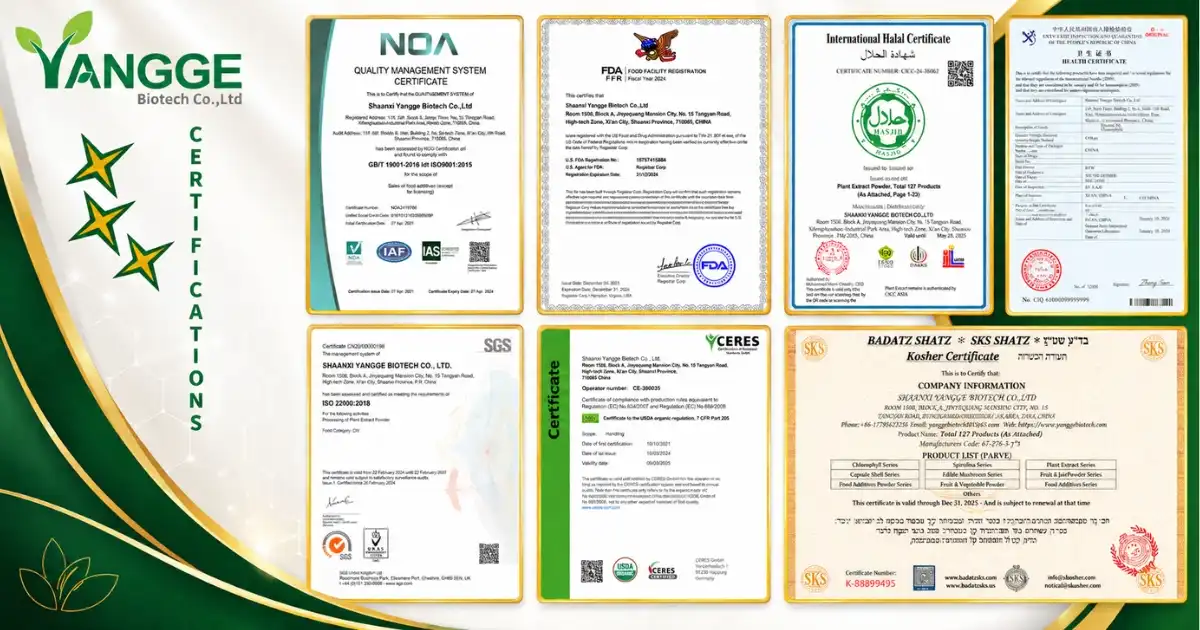
- Certified quality systems: GMP, ISO, HACCP, Kosher, and Halal certifications show that production is controlled in a way that goes beyond just making sure that each batch follows the rules.
- Purity verification: To make sure that the amount of carotenoids is in the range given (for example, 5% to 80% lutein powder), it is important to have HPLC testing done by a third party. In the market for carotenoids, there are still issues with fake products and wrong labels.
- Contaminant compliance: The supplier must meet the PAH4 standards (benzopyrene ≤10 ppb per European standards) if they want to sell their goods in the EU or UK.
- Non-GMO and irradiation-free status: Being free of irradiation and GMOs are getting more and more important for clean-label brands, and food that claims to be organic must have them.
- Supply chain traceability: Tracking the supply chain through Good Agricultural and Collection Practices (GACP) help find the item from the farm. People who buy this don't have to worry about supply problems or food being tampered with.
It is also important to be able to help people with technology issues. When OEM buyers are making new forms like liposomal drinks, chewable sweets, or infant-grade powders, they need supplier teams that can help them with things like making regulatory dossiers and making sure the new forms work with encapsulation.
Future Trends and Innovations in Lutein & Zeaxanthin Procurement
The market for eye health products will likely grow a lot until 2030. This is because the world's population is getting older, younger people spend more time in front of computers, and people know how to stay healthy. People are changing what they want from sellers of lutein ingredients because of this growth. You don't have to be a high-end customer to expect microencapsulation and CWS (cold water-soluble) beadlet technology. People who want to make useful drinks or tablets that fizz need to find forms of carotene that are steady at different pH levels and during processing.
This is something that researchers are interested in because it could make oral absorption much higher in clinically-positioned goods. This is because liposome transport is still new in the bulk ingredient space. Being environmentally friendly is also seen as a source factor. Brand communications talk more and more about marigold sources that are non-GMO, grown organically, and have facilities that use clean energy to extract the flowers. Buyers want suppliers to back up their claims with audit records instead of just marketing speak.
Conclusion
It's not a simple yes or no when choosing between lutein and zeaxanthin; it's how the food is made. Zeaxanthin adds to lutein at the foveal level, which is the central component of the healing story for eye health, baby nutrition, and brain health. When put together in a known 5:1 ratio, they give the macular pigment makeup that is backed by science. More than price alone, what you should look at when buying something is how pure it is, what kind of ingredients are used, how deep the approval goes, and how open the seller is. To get the best buying relationship, you need more than just an ingredient. You also need help with your legal road, your OEM production plan, and telling your brand's story about how well it works is important for it to compete.
FAQ
Q1: Is it safe to combine lutein and zeaxanthin in a single formulation?
A: Yes. In the AREDS2 clinical study, a substance that had both of the carotenoids was used. Both of them are naturally found together in human macular tissue. People who took extra doses of lutein haven't said that they had any bad effects.
Q2: What form of lutein works best for infant formula applications?
A: This type of free lutein works best for infant formula because it doesn't change when it's processed and dissolves easily in water. Make sure that everything that is used is safe for food and doesn't have any allergens, GMOs, or radiation in it.
Q3: How do I verify the actual lutein content in a bulk purchase?
A: Ask for an independent HPLC analysis from a well-known lab, ideally one that is not done by the seller. Some errors in different batches of certificates can point to content that has been changed or tampered with. Comparing these errors can help find these patterns.
Q4: Why does lutein degrade and how is it prevented?
A: Lutein is sensitive to air, light, and high temperatures because its polyene chains are joined together. Food stays fresh for a lot longer when it is microencapsulated. Both powder and oil-suspended forms should be kept in a cool, dark, and sealed container.
Partner with Yangge A Certified Lutein Supplier You Can Trust
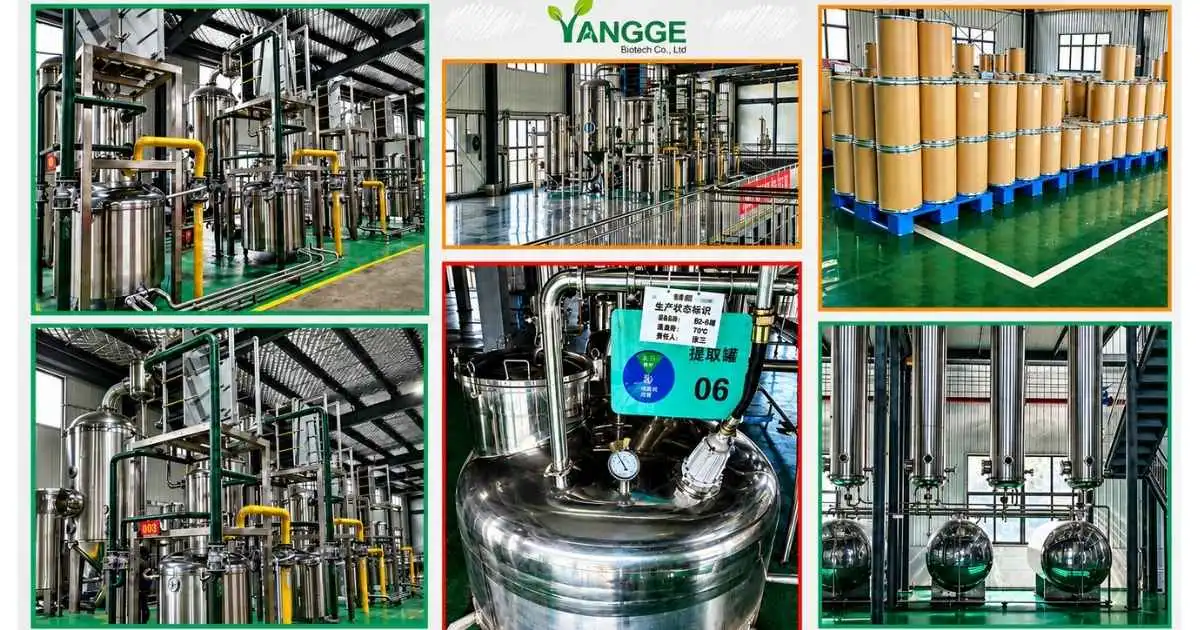
It is non-GMO, non-irradiated, and PAH4-compliant, and Yangge Biotech sells lutein powder made from marigold flowers (5% to 80% standard). It also has ISO, HACCP, Kosher, and Halal certifications to back it up. Our specialized research and development team helps OEMs come up with recipes, from making sure they meet standards to reviewing them with regulators. There are different ways to pack your order, from custom bulk to 1 kg metal foil bags, so you can expand your softgel line or make a powder for kids.Contact us or reach our team directly at info@yanggebiotech.com to request a sample.
References
1. Seddon, J. M., et al. (1994). Dietary carotenoids, vitamins A, C, and E, and advanced age-related macular degeneration. JAMA, 272(18), 1413–1420.
2. Age-Related Eye Disease Study 2 Research Group. (2013). Lutein + zeaxanthin and omega-3 fatty acids for age-related macular degeneration. JAMA, 309(19), 2005–2015.
3. Bernstein, P. S., et al. (2016). Lutein, zeaxanthin, and meso-zeaxanthin: The basic and clinical science underlying carotenoid supplementation for ocular disease. Progress in Retinal and Eye Research, 50, 34–66.
4. Eisenhauer, B., et al. (2017). Lutein and zeaxanthin — food sources, bioavailability and dietary variety in age-related macular degeneration protection. Nutrients, 9(2), 120.
5. Johnson, E. J. (2014). Role of lutein and zeaxanthin in visual and cognitive function throughout the lifespan. Nutrition Reviews, 72(9), 605–612.
6. European Food Safety Authority (EFSA). (2012). Scientific opinion on the tolerable upper intake level of lutein. EFSA Journal, 10(12), 2953.

Based on your location and order quantity, you will have the opportunity to receive a limited time free shipping promotion!
Who we are
Popular Blogs