How Does Blue Spirulina Compare With Green Spirulina for Wellness?
When procurement teams and formulators ask how blue spirulina compares with green spirulina for wellness, the answer centers on one key molecule: phycocyanin. Blue spirulina is a purified phycocyanin extract from Arthrospira platensis, delivering a concentrated antioxidant pigment with a vivid cyan hue and no algal odor. Green spirulina retains the whole dried biomass chlorophyll, protein, vitamins, and minerals included. Each serves a distinct role in wellness formulations, and choosing between them depends on your product goals, target market, and color performance requirements.
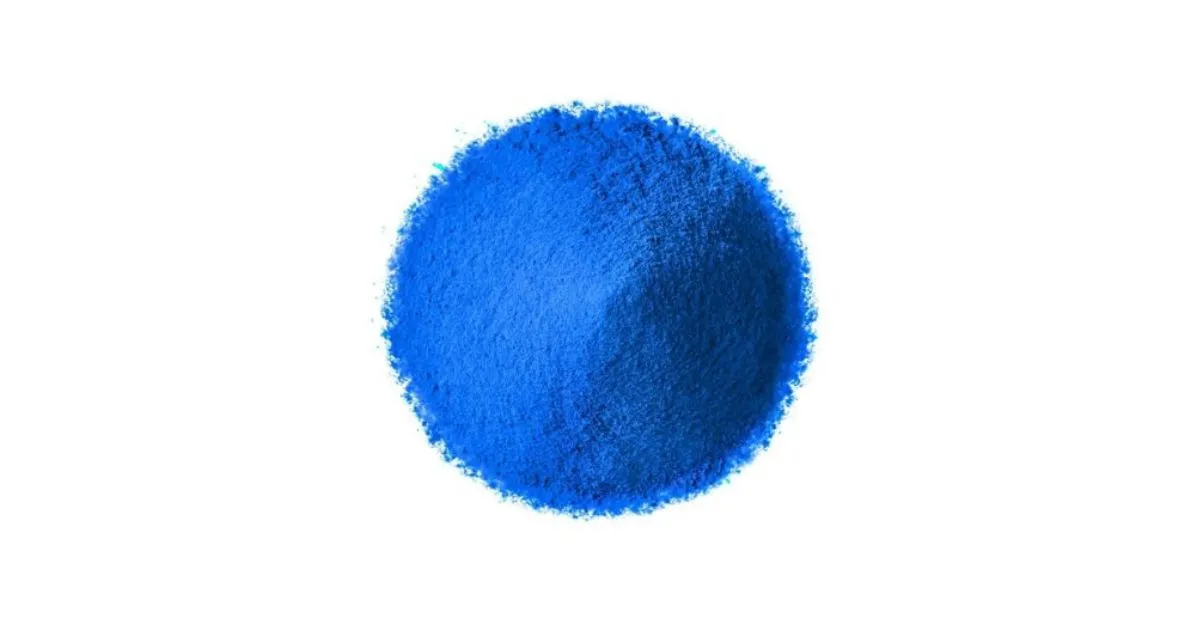
Understanding Blue Spirulina and Green Spirulina: Key Wellness Profiles
What makes a difference is how the information is used. It is made of spray-dried whole material and is high in iron, chlorophyll, and total protein (60% to 70%). To separate phycocyanin, the chromoprotein that gives blue spirulina its bright blue color, new extraction and processing methods using HPLC-grade methods are used. Fishy smell and dark green color are taken away by this process. What is left is a fine blue powder that mixes easily with water and can be used in consumer goods without changing the way they look or taste.
Their main traits are shown next to each other in the table below:
| Parameter | Blue Spirulina (Phycocyanin) | Green Spirulina (Whole Biomass) |
|---|---|---|
| Primary Active | Phycocyanin | Protein, Chlorophyll, Vitamins |
| Color Appearance | Bright cyan-blue | Dark green |
| Odor Profile | Neutral | Algae / fishy |
| Water Solubility | 100% | Partial |
| Primary Application | Natural colorant, antioxidant | Dietary supplement, nutrition |
Buying directors and quality managers need to know this difference so they can match the needs of the ingredients with the needs of the finished product. This is true whether the product is a clean-label candy or a high-protein energy bar.
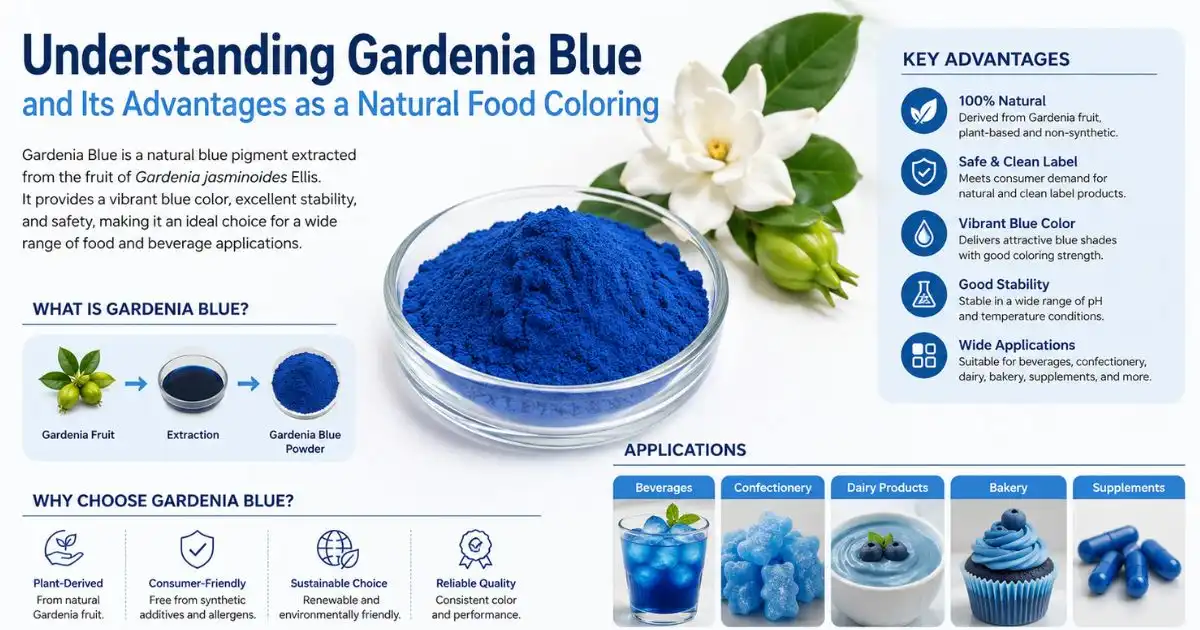
Blue Spirulina vs. Green Spirulina: Health Benefits and Safety Profiles
Where Their Wellness Contributions Diverge?
The plants that both ingredients come from are the same, but they do different things for you. Phycocyanin is the main thing that makes blue spirulina what it is. It has been written about in peer-reviewed journals because it may protect the liver, help fight inflammation through COX-2 inhibition, and act as an antioxidant. A study that came out in 2016 in the journal Food & Function showed that phycocyanin specifically blocks cyclooxygenase, just like some anti-inflammatory drugs.
On the other hand, green spirulina helps with health goals that are more general. It has been shown to be a good source of protein because it has all nine necessary amino acids. It also has iron and vitamin B12, which are micronutrients that functional foods don't always have enough of. In healthy people, neither has been linked to any major side effects when taken in the amounts recommended. This means that blue spirulina is best for certain color and antioxidant uses, while green spirulina is best for supporting a lot of different nutrition things. Many great brands put both of these things in different parts of their goods to make them work better together.
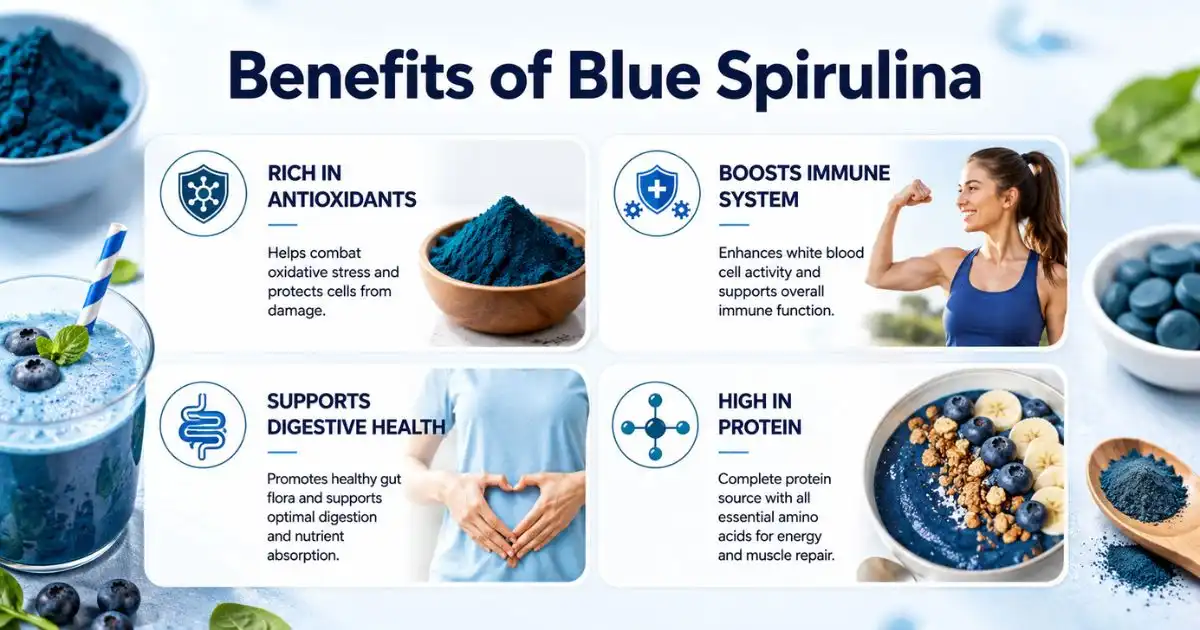
Applications and Usage Scenarios for Wellness and Procurement
Blue spirulina that is based on phycocyanin is one of the most sought-after natural colors in the clean-label movement right now. It can be used in many projects. More and more governments are putting pressure on manufacturers to use plant-based dyes instead of synthetic ones like FD&C Blue No. 1. This is especially true in the EU and other Halal/Kosher markets.
The main places where Yangge's phycocyanin works very well are these:
- Beverages and Functional Drinks: In water-based systems, is easy to dissolve and can be used in quick drink mixes, sports hydration products, and useful shots. A cold process or low temperature keeps the color the best because it doesn't like heat.
- Confectionery and Dairy: Adding this to sweets, hard treats, ice cream, and yogurt makes them taste better because of its bright color and bland taste. When formulators follow standard E-value rules, they say that each batch of color works the same.
- Supplements and Nutraceuticals: Phycocyanin is an ingredient that is used to add color to capsules, tablets, and OEM superfood mixes for vitamins and nutraceuticals. It is also useful. Yangge can make OEM bags for any brand in 60g, 100g, and 8oz sizes.
- Cosmetic Formulations: Phycocyanin that dissolves in water is being used more and more in skin serums and masks that claim to help with inflammation.
But even though it tastes stronger, green spirulina is still the main ingredient in energy bars, high-protein powders, and greens blend vitamins. Because it has a lot of minerals and should be there.
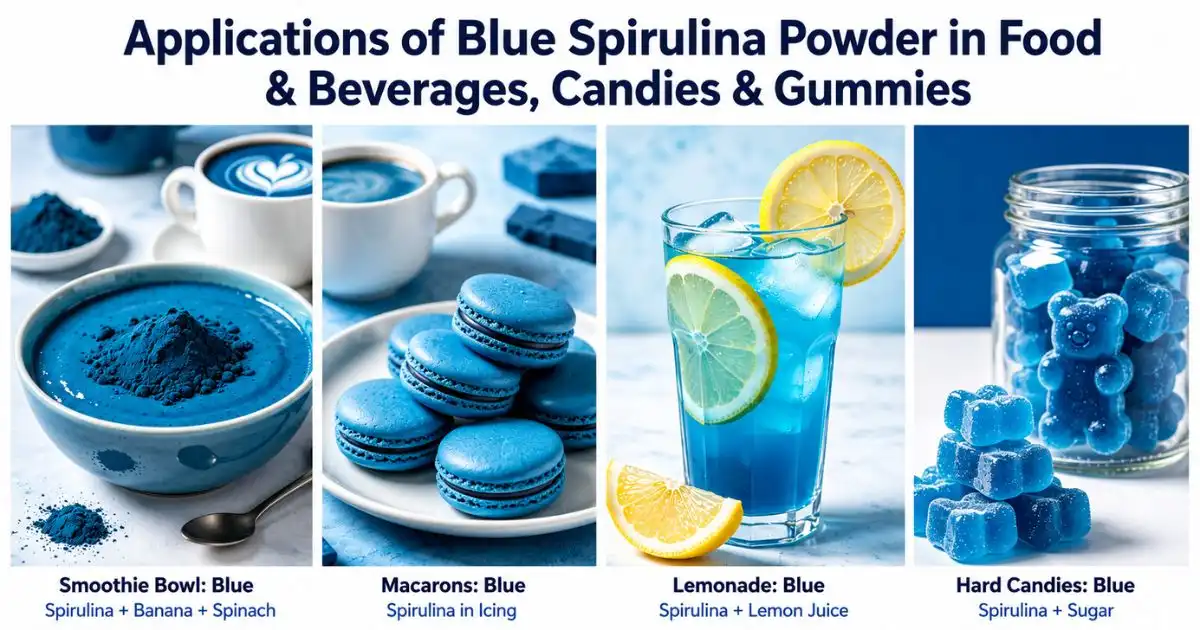
Comparing Market Options: Quality Grades and Supplier Insights
Not all phycocyanin items work the same. As the main quality standard in the business, the extinction coefficient is used to find out how concentrated the colors are. Yangge Biotech has three standard features that help it meet the needs of various market groups:
| Specification | E-Value | Phycocyanin Content | Typical Application |
|---|---|---|---|
| E10 | 10 | About 10% | Low-cost colorant |
| E18 | 18 | About 25% | High-quality colorant, used in standard food and drink recipes |
| E25 | 25 | High purity | Used in high-end nutraceuticals and makeup |
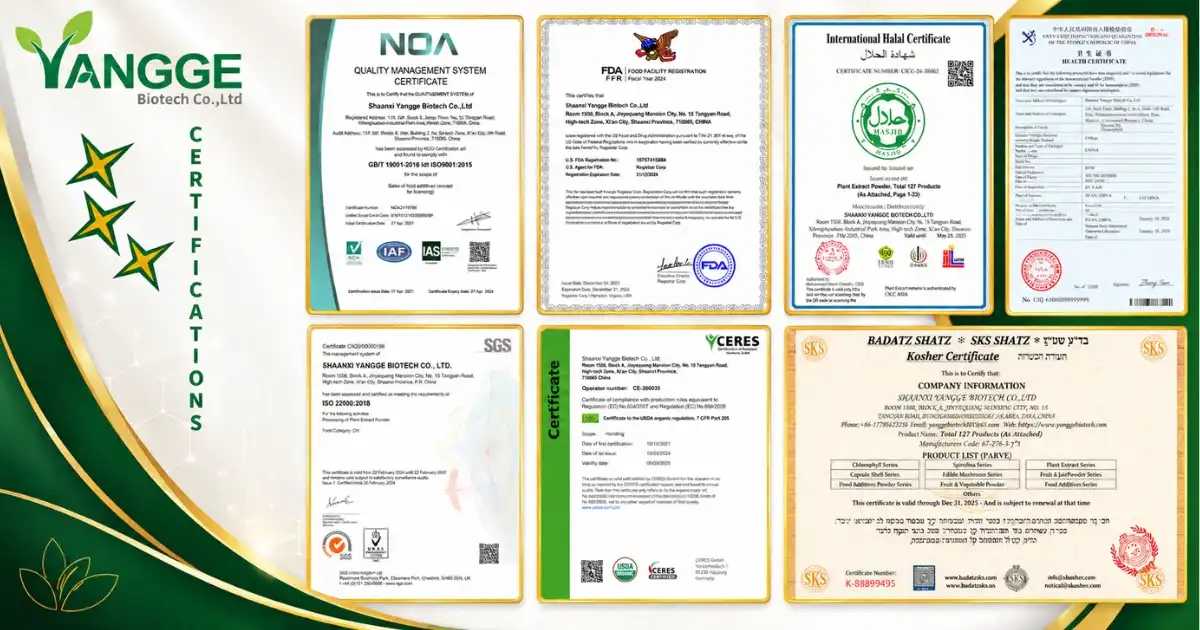
You can find 1 TON of all three E-value grades of blue spirulina at Yangge. They also keep KOSHER and USP-grade approval on hand. For this reason, wholesalers can keep working with their many downstream clients without stopping. For different order sizes, the product can be packed in either 25 kg drums or 1 kg foil bags. The minimum order quantity (MOQ) is 25 kg. When buying something, teams should look for sources that have the following things: stable E-values across production batches that can be verified by a third party; storing and cold-chain compliance; and legal certifications for Halal, Kosher, HACCP, and ISO markets. ISO, HACCP, Kosher, and Halal have all approved Yangge Biotech, and the company follows GMP when it comes to making stuff.
Procurement and Buying Guide for B2B Clients
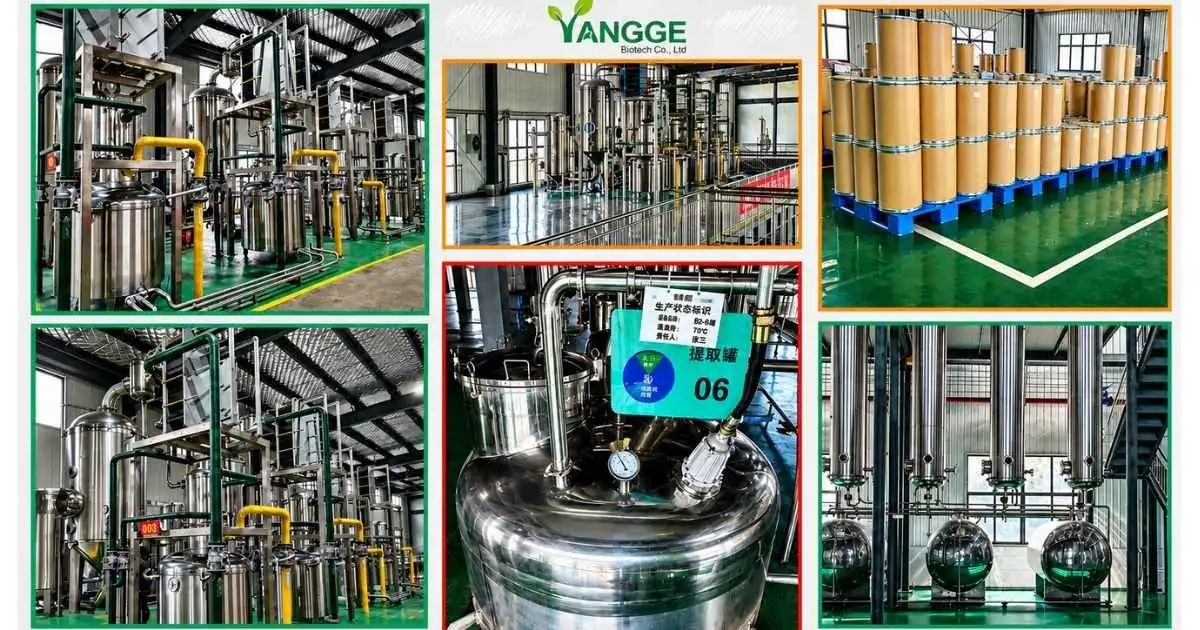
The supply chain for phycocyanin needs more than just low prices to stay stable. It's likely that color consistency is the issue that quality managers bring up most often. When the E-value changes from batch to batch, food makers who carefully adjust color formulations get upset. This problem can be solved by Yangge's HPLC-based extraction method, which gives more precise control over the specifications than regular water-extraction methods.
The people who sell the goods should also think about how to keep them safe. The color and structure of phycocyanin can be lost if it is not treated correctly because it is sensitive to light and water. Yangge gives full technical details, like a COA, MSDS, and storage instructions, to help keep the goods legally and send them to other places. You can use DHL, FedEx, EMS, sea freight, or air freight to send. Framework deals let us handle both quick small-batch sales and planned large-batch exports. When a new customer asks for a sample, it usually takes two to four weeks before they get proof of a trial sale.
Conclusion
Blue spirulina and green spirulina are good for you. Targeted antioxidant activity, clean-label color performance, and formulation flexibility without smell are all provided by phycocyanin extract. Full-green spirulina has all the nutrients you need for many different supplement uses. It is important for procurement workers to know these differences when they are looking for natural blue colorants to replace synthetic dyes, support high-end nutritional lines, or serve the Halal/Kosher market. This will help them make better buying choices and get better results with the final goods.
FAQ
Q1: Is blue spirulina safe for long-term use in food products?
A: Blue spirulina has been used in food for a long time. Many people want to know if it is healthy. Phycocyanin has been shown to be safe in tests with both people and animals. When healthy people eat and take vitamins with normal amounts, it has not been shown to hurt them in any way. The E18, E10, and E25 grades from Yangge are all certified Kosher and meet USP standards, so they can be used in tight markets.
Q2: Can blue spirulina and green spirulina be used together in one formulation?
A: Yes. A lot of supplement brands mix these two things together. Protein density and vitamins are added by whole spirulina biomass, while color and antioxidant action are added by phycocyanin. It's best to use this method to make superfood mix powders and veggie pills.
Q3: What E-value specification should distributors prioritize?
A: Most of the time, E18 is used for basic food and drink uses because it is cheap and works well with colors. E25 is for high-end markets that need pigments that are more intense, while E10 is for entry-level markets or markets that want to save money.
Q4: How does Yangge ensure consistent color value across batches?
A: HPLC is used by Yangge to extract and clean, and each batch has full COA documentation. Their production is controlled by GMP, ISO, and HACCP standards. These standards give buying teams a way to check the quality of their products before they place orders.
Partner With Yangge Your Trusted Blue Spirulina Supplier
Yangge Biotech has 1 TON of phycocyanin in stock in grades E10, E18, and E25 that have been checked out. On top of that, they can do variable OEM packing. Whether you need private-label solutions or cheap bulk sales, our team can help with consistent quality, all the paperwork, and reliable shipping around the world. Send us an email at info@yanggebiotech.com right now to get a sample or download our catalog of products.
References
1. Romay, C., González, R., Ledón, N., Remirez, D., & Rimbau, V. (2003). C-phycocyanin: A biliprotein with antioxidant, anti-inflammatory and neuroprotective effects. Current Protein and Peptide Science, 4(3), 207–216.
2. Benedetti, S., Benvenuti, F., Pagliarani, S., Francogli, S., Scoglio, S., & Canestrari, F. (2004). Antioxidant properties of a novel phycocyanin extract from the blue-green alga Aphanizomenon flos-aquae. Life Sciences, 75(19), 2353–2362.
3. Deng, R., & Chow, T. J. (2010). Hypolipidemic, antioxidant, and antiinflammatory activities of microalgae spirulina. Cardiovascular Therapeutics, 28(4), e33–e45.
4. Fernández-Rojas, B., Hernández-Juárez, J., & Pedraza-Chaverri, J. (2014). Nutraceutical properties of phycocyanin. Journal of Functional Foods, 11, 375–392.
5. McCarty, M. F. (2007). Clinical potential of Spirulina as a source of phycocyanobilin. Journal of Medicinal Food, 10(4), 566–570.
6. Marles, R. J., Barrett, M. L., Barnes, J., Chavez, M. L., Gardiner, P., Ko, R., & Sievenpiper, J. L. (2011). United States pharmacopeia safety evaluation of spirulina. Critical Reviews in Food Science and Nutrition, 51(7), 593–604.

Based on your location and order quantity, you will have the opportunity to receive a limited time free shipping promotion!
Who we are
Popular Blogs