What Is Sweet Potato Red Natural Pigment Used For?
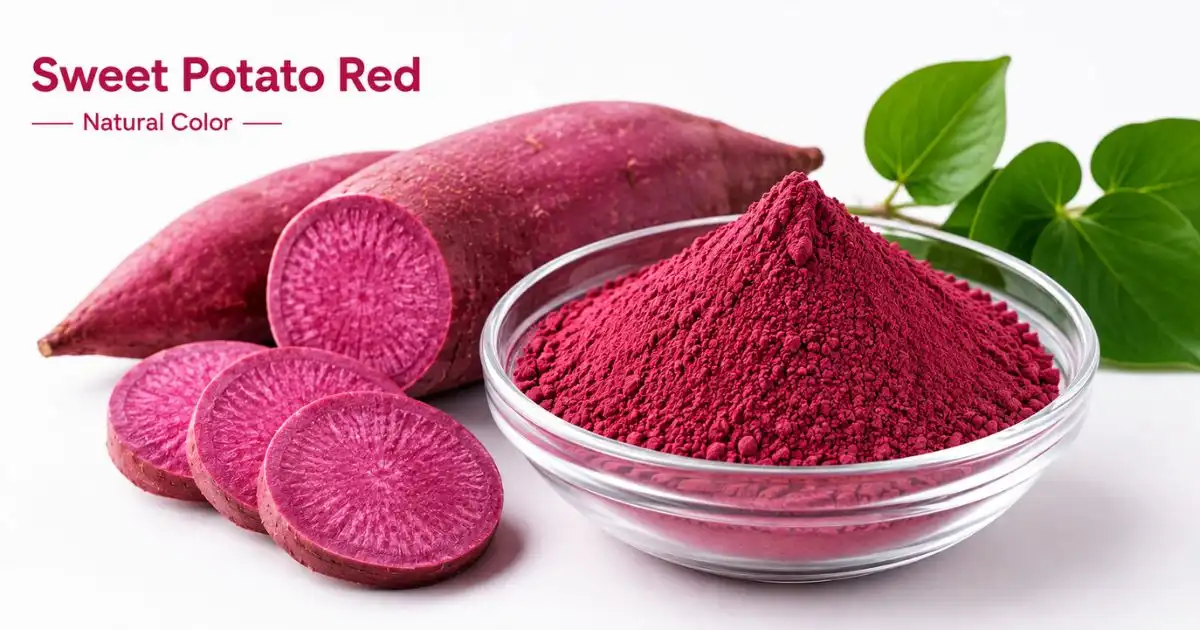
Yangge Biotech supplies high-quality Sweet Potato Red, a natural food color derived from purple/red sweet potato (Ipomoea batatas) and rich in anthocyanin pigments. It provides attractive red to reddish-purple shades and is suitable for a variety of food and beverage applications, including beverages, confectionery, dairy products, bakery products, desserts, sauces, and nutritional products. Yangge Biotech focuses on consistent quality, reliable batch testing, and flexible bulk and OEM packaging solutions to meet different formulation and manufacturing requirements. Contact us today for specifications, COA, samples, pricing, and bulk order information. Email: info@yanggebiotech.com
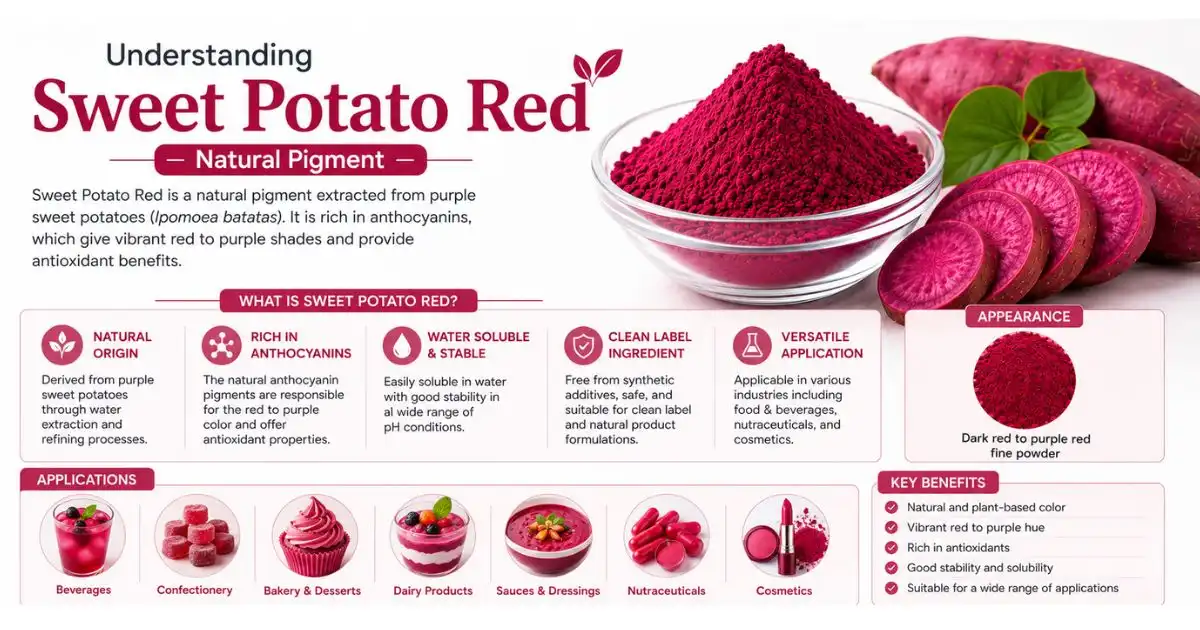
Sweet Potato Red is a vibrant, plant-based colorant extracted from purple-fleshed sweet potato varieties, primarily containing anthocyanins as its active coloring compounds. This natural pigment serves diverse industrial applications spanning food manufacturing, cosmetics formulation, and nutraceutical development. Beverage manufacturers utilize it to achieve clean-label red hues in acidic drinks, while confectionery producers rely on its thermal stability during high-temperature processing.
The pigment's pH-responsive color transitions from ruby-red in acidic conditions to purple in neutral environments make it particularly valuable for product developers seeking natural alternatives to synthetic dyes like Red 40. Beyond coloration, its antioxidant properties add functional health benefits that align with modern consumer preferences for wellness-oriented products.
Understanding Sweet Potato Red Natural Pigment
Chemical Composition and Structure
The color comes from the fruit of the Solanum tuberosum plant, and the main beneficial ingredient is anthocyanins. While orange sweet potatoes contain beta-carotene, purple ones store cyanidin and peonidin variants that have acylated structures. Compared to non-acylated anthocyanins found in grape skins or elderberries, these chemical changes make them more stable. The acylation process adds layers of protection around the chromophore. This helps the pigment handle oxidant stress while it is being stored and worked on.
Historical Applications and Market Evolution
Asian traditional dishes have used purple sweet potatoes for hundreds of years, but it wasn't until the last few decades that industrial methods for getting them out of the ground became popular. Early uses were limited to regional beverage colors, but as people became more aware of manufactured additives, they were used in more situations. Modern extraction methods that use TLC and UV light now make standardized concentrates with color values between E30 and E90, measured at 530nm wavelength. This makes sure that there is stability from batch to batch, which is important for business production.
Nutritional and Functional Benefits
The anthocyanin content of the pigment gives it significant antioxidant activity. This content usually ranges from 1% to 25%, based on the extraction ratios. Researchers have found possible benefits for metabolic health, but companies should label these as qualities of the ingredients they use instead of treatment claims. Because it dissolves in water, it can be easily added to hydrate products without needing to be emulsified with oil. This makes the manufacturing process easier and keeps ingredient lists clean, which appeals to health-conscious customers.
Industrial and Commercial Uses of Sweet Potato Red Natural Pigment
Many different types of businesses now see the strategic value in adding this natural colorant to their product lines. Its versatility comes from the fact that it can be used as both a visual enhancer and a bioactive ingredient, meeting more than one formulation goal at the same time.
Food and Beverage Applications
When making drinks, the pigment works best in acidic conditions (pH levels below 3.5) because they keep the flavylium cation form stable, which makes uniform strawberry-red shades. The people who make sports drinks like that it doesn't react badly with ascorbic acid, which can make other anthocyanin sources less stable. Carbonated soft drink mixes benefit from the pigment's ability to stay brilliant during UHT steaming processes. This means that the color stays bright for longer without needing higher dosage rates.
Bakery applications leverage thermal stability properties during high-temperature processing. Fruit mixtures used in yogurt, pie sauces, and laminated cakes keep their color even after being cooked at temperatures above 95°C for a long time. This ability to withstand heat stops the browning that happens with beet red products when they are exposed to the same conditions. Candy makers who use gelatin or pectin to make sweets can keep the red color fixed and stop it from moving between layers of the product, which is important for making candies with more than one color.
Cosmetics and Personal Care
More and more, clean beauty brands are using Sweet Potato Red in their lip tints, blushes, and eyeshadows. The pigment comes from plants, which supports marketing claims about using natural ingredients and meets the performance standards for color cosmetics. When properly refined, sweet potato pigments don't interfere with fragrances as much as some plant extracts that have their own smells. This gives perfumers more creative freedom. The pigment is used in water-based skin care products to give the skin a subtle tint without using synthetic lake formation processes.
Pharmaceutical and Nutraceutical Sectors
Supplement companies like the pigment because it can be used to coat tablets and add a natural color instead of titanium dioxide or manufactured dyes. The anthocyanin content gives the product more than just a nice look; it also helps with its branding around vitamin delivery. Liquid supplement forms dissolve easily in water, so they don't have to worry about the safety of their suspension like solid colorants do. Brands that care about quality highlight the pigment's botanical qualifications to set their elite product lines apart in competitive market segments.
New study is looking into how anthocyanins can be used in biodegradable wrapping films, where they can be used as both colorants and pH indicators. Textile companies are trying out natural dyeing methods, but they aren't as useful for business as they are for food dyeing. These new ways of doing things show that the pigment is becoming more useful in areas other than traditional ones.
Comparing Sweet Potato Red Pigment With Other Natural Pigments
Comparing performance helps procurement professionals make sourcing decisions based on facts that are in line with product needs and market positioning strategies.
Color Stability and Intensity Benchmarks
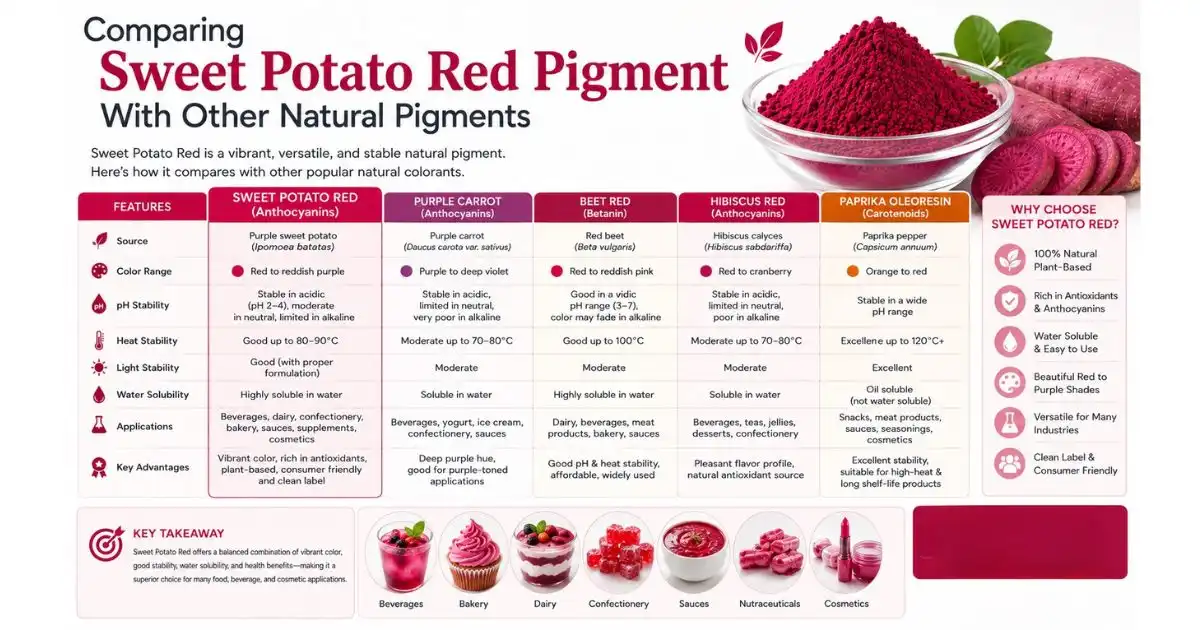
Because their molecules are acylated, Sweet Potato Red anthocyanins are better at blocking light than red cabbage or radish extracts. Beet red has a very strong color, but it breaks down quickly when heated or exposed to UV light. Anthocyanins in black carrot are very stable across a wide pH range, but they usually need higher doses to have the same color strength. The following table lists the most important stability parameters:
| Pigment Source | pH Stability Range | Heat Resistance (95°C) | Light Fastness | Typical Color Value (E1%1cm) |
|---|---|---|---|---|
| Sweet Potato Red | 2.5 to 6.0 | Quite good (>60 min) | High | E30 to E90 |
| Red Beet | 4.0 to 7.0 | Not good (<15 min) | Low | E80 to E120 |
| Black Carrot | 3.0 to 7.0 | Good (30 to 45 minutes) | Moderate | E20 to E50 |
| Grape Skin | 2.5 to 5.0 | Level 2 (20–30 min) | Moderate | E25 to E60 |
Natural Versus Synthetic Considerations
As more places tighten their rules on synthetic dyes, regulators continue to favor natural alternatives. In Europe, Sweet Potato Red is sold under the designation E163, which means it is approved for a wide range of food applications without any specific limits on how it can be used. Consumer research consistently shows that people prefer statements like "colored with fruit and vegetable juice" to ones that use chemical names. Environmental impact studies support pigments that come from plants, but procurement teams need to check the sustainability practices of suppliers to make sure that green marketing claims are true.
Cost analysis reveals natural pigments need two to four times higher dose rates than manufactured ones to have the same tinctorial strength. But positioning a product as a premium item often justifies the extra money spent on raw materials by giving the retailer more power to set prices and making the brand stand out. Because manufacturers that sell to organic-certified markets don't have many choices, organically sourced colors are necessary rather than optional.
Organic Versus Conventional Sourcing
Depending on the market and harvest yields, organic certification can lead to price increases of 30% to 60%. Because organic farming practices are limited in how they can control pests and improve the soil, quality consistency varies more between organic supplies. Conventional sources offer more stable supplies and standards, which are important for planning large-scale output. Portfolio methods are often balanced in procurement strategies. For example, organic pigments are used in high-end product lines, while standard grades are used in value-tier products.
Procurement Guide for Sweet Potato Red Natural Pigment
To be good at sourcing, you need to know about technical requirements, the abilities of suppliers, and how the market changes over time to affect pricing and availability. Advice on How to Buy Natural Sweet Potato Red Pigment includes understanding these market dynamics.
Essential Certifications and Quality Standards
Suppliers with a good reputation keep certifications like ISO 22000 for food safety management, HACCP protocols, and approvals relevant to the area, such as FDA compliance or EFSA acceptance. Kosher and Halal approvals help companies that sell to religiously strict customers reach more customers. Verification of non-GMO status is no longer a luxury item, but something that everyone expects. This is especially true in North America and Europe, where labeling is being closely looked at more closely.
Quality standards should include amounts of anthocyanin, measures of color value, limits for microbes and heavy metals, and levels of leftover solvent. When evaluating a supplier, asking for Certificates of Analysis (COA) for representative batches shows patterns of consistency across production runs. Whether the extraction is done using water, ethanol, or supercritical CO2 processes, the method affects the purity profiles and residue profiles that need to be shared for regulatory compliance.
Supplier Evaluation and Sourcing Models
Direct relationships with farms make it easier to track animals and may lower costs by cutting out middlemen who add their markups. However, agricultural providers might not have the right expert support facilities to help with application problems or formulation advice. Established ingredient distributors offer extra services like regulatory paperwork, sampling programs, and technical advice that add value, but their margin structures usually make unit costs go up.
Assessing a supplier's dependability means looking at their production capacity compared to the volume you need, their backup sourcing plans to make sure you never run out of supplies, and how quickly they respond to contact requests when there are quality problems. Requesting facility audit reports or third-party inspection certifications is a good way to make sure that operational standards are being met without having to pay for an audit directly during the early stages of the evaluation process.
Pricing Dynamics and Market Considerations
The wholesale price of Sweet Potato Red powder is usually between $45 and $120 per kilogram, but this depends on the percentage needed, the size of the order, and the approval needs. Seasonal trends of harvesting affect availability, and prices are usually better during times of high production. Multi-year supply deals can get you better rates, but you need to be very good at predicting demand to make sure you don't go over your commitments.
| Order Volume | Typical Price Range (USD/kg) | Lead Time | Common Packaging |
|---|---|---|---|
| 10 to 100 kg | $95 to $120 | Two to three weeks | 10 kg paper drums |
| 100 to 500 kg | $70 to $95 | 3–4 weeks | 25 kg paper drums |
| 500 kg or more | $45 to $70 | 4 to 6 weeks | Bulk bags or tailor-made |
Yangge gives away 10–30g samples for free so that lab tests can be done before making any business decisions. This sampling method lowers the risk of buying things by proving that the pigment works well in certain formulation matrices under real processing conditions.
Logistics and Storage Optimization
To keep the anthocyanin stable, the pigment needs to be stored in cool, dry places that are out of direct light. Temperature-controlled shipping is very important in the summer or for packages to warm areas, where heat speeds up damage. Different sizes of production can be handled with different types of packaging, such as 1–5 kg metal foil bags, 10 kg paper drums, and 25 kg paper drums with two plastic covers.
If you store things properly, they should last for 24 months at least, but the specs should confirm stable data that supports your inventory turnover cycles. When planning purchases, it's important to include a buffer stock to keep production going even when there are quality hold situations that need batch retesting or when suppliers change.
Best Practices for Using Sweet Potato Red Natural Pigment in Products
To get the most out of pigments, you need to know the right processing parameters and formulation strategies to get the best color expression while keeping the quality of the product, Sweet Potato Red being a prime example that requires careful tuning to balance vibrancy and stability.
Processing Conditions and Formulation Guidelines
Managing temperature during the processing steps has a big effect on the end color. The color can handle temps above 95°C, but being exposed to temperatures above 110°C for a long time may cause the anthocyanin to break down slowly. Post-pasteurization dosing works best for beverage uses when process flows allow it. However, hot-fill operations work well when the pH stays below 3.5. For baking, the end product should have a pH between 5.0 and 6.5 so that the purple-red colors form in a way that looks good and don't shift toward the blue colors that aren't wanted.
Because they are soluble, they can dissolve directly in water, without the need for pre-dispersion steps that are common with oil-soluble colorants. At room temperature, hydration happens quickly, but gentle stirring makes sure that the mixture is spread out evenly across all production runs. Formulations with alcohol break down the color quickly, so it can be used in medicines, extracts, and drinks made with spirits.
Quality Control and Compliance Protocols
Setting clear acceptance standards for arriving raw materials stops variations from batch to batch from affecting the consistency of the end product. Using spectrophotometry to measure color at a wavelength of 530nm gives more objective results than just looking at the color. Microbiological testing should make sure that there are no pathogens and that the total plate counts meet the standards for the type of food being tested, especially for ready-to-eat foods that don't need to be killed first.
To follow the rules, you have to keep track of paperwork that connects finished goods to specific color lots. Retention samples let you look into complaints from customers or changes in quality without having to do expensive market returns. According to FDA rules, Sweet Potato Red can be used as a color agent in vegetable juice products. EFSA approval allows E163 anthocyanin to be used in all types of food as long as certain conditions are met.
Implementation Case Studies
To meet clean-label positioning goals, a Southeast Asian beverage company changed the fruit punch line by using Sweet Potato Red instead of synthetic Red 40. Stability tests showed that the color strength stayed the same over a 12-month period of time when stored at room temperature. This proved that the change didn't affect the quality of the product. Consumer acceptance research showed that people liked the naturally colored version 18% more, even though the flavors were the same, which supports strategies for charging more.
A Japanese candy company used the pigment to make gelatin gummies that were bright red without experiencing the color bleeding problems that happened with other grape skin extracts. As part of the changes to the processing, the slurry temperature was lowered from 85°C to 75°C and the citric acid levels were adjusted to pH 3.2. This created the best conditions for the color to stay stable during shaping and cooling.
Conclusion
Sweet Potato Red natural color is an important ingredient for companies that want to make their products more eco-friendly without affecting how they look or how well they work. Its high heat stability, pH-responsive color, and natural antioxidant qualities all work together to meet multiple recipe goals at the same time. It's helpful for procurement professionals to know how different pigments work, what certifications are needed, and how to evaluate suppliers in a way that ensures quality and compliance with regulations.
As the need for natural alternatives grows in the food, candy, and beauty products markets, this botanical colorant provides financially viable options backed by well-established safety ratings and growing application research. Paying attention to processing parameters, quality control protocols, and strategic sourcing relationships that support long-term supply continuity at competitive cost structures are all important for a successful implementation.
FAQ
Is Sweet Potato Red safe for all food categories?
In international markets, Sweet Potato Red is widely approved by regulators for use in food under the E163 anthocyanin designation. According to most laws, the color can be used in drinks, sweets, baked goods, dairy products, and savory foods without any specific category restrictions. Manufacturers should check the state of regional laws and keep records to show that they are following local rules for food additives.
How does this natural pigment differ from artificial red dyes?
In contrast to manufactured colors that come from oil, Sweet Potato Red comes from plants that contain anthocyanin compounds. In addition to color, the natural pigment acts as an antioxidant, which supports the clean-label stance. Artificial dyes have higher tinctorial strength and require lower dosage rates, but consumer preferences and regulatory trends are moving more toward naturally sourced alternatives, even though they cost a little more.
What storage conditions maximize shelf life?
For best keeping, keep things cool (15–25°C), make sure the relative humidity is below 60%, and keep them out of direct sunlight. When you seal packages, moisture can't get inside, which speeds up the breakdown of anthocyanin. The pigment stays stable for 24 months if it is stored properly, but frequent quality checks make sure that the color value is still there during inventory rounds. Keeping things in the fridge makes them more stable, but the packaging needs to be able to keep out moisture so that condensation doesn't form when the temperature changes.
Partner with a Trusted Sweet Potato Red Supplier
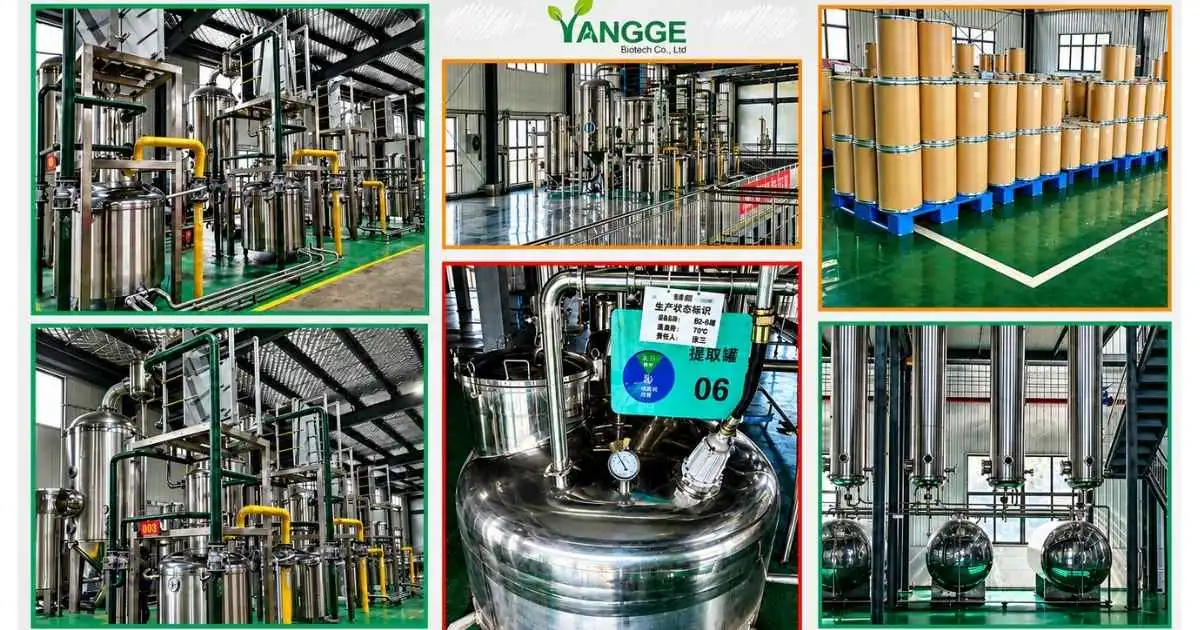
For the food, beverage, and nutraceutical industries, Yangge Biotech Co., Ltd. makes high-quality Sweet Potato Red powder that meets strict quality standards. Our sweet potato extract powder comes in a range of anthocyanin concentrations, from 1% to 25%. It is also available in 4:1 to 50:1 ratios and is completely water-soluble. We keep our ISO, HACCP, Kosher, and Halal certifications up to date to make sure we follow the rules in all global markets. Our model for sustainable sourcing lets you track food from the farm to the table through direct partnerships with farmers, which supports your corporate responsibility goals.
We offer free samples ranging from 10 to 30 grams so that you can do a full lab test before placing a business order. For trial production, flexible packing choices include 1–5 kg aluminum foil bags, 10 kg paper drums for medium-scale operations, and 25 kg setups for high-volume production. During formulation development, our expert team helps with application support and helps find the best processing settings for color stability and regulatory compliance.
Detailed product specifications, pricing for your volume needs, and technical advice on how to add this natural colorant to your product line can be found by contacting us or emailing info@yanggebiotech.com. For more information on how to use natural ingredients, go to blog.yanggebiotech.com.
References
1. Montilla, E.C., Hillebrand, S., Winterhalter, P. (2011). "Anthocyanins in Purple Sweet Potato (Ipomoea batatas L.) Varieties." Fruit, Vegetable and Cereal Science and Biotechnology, 5(2), 19-28.
2. Cevallos-Casals, B.A., Cisneros-Zevallos, L. (2003). "Stoichiometric and Kinetic Studies of Phenolic Antioxidants from Andean Purple Corn and Red-Fleshed Sweetpotato." Journal of Agricultural and Food Chemistry, 51(11), 3313-3319.
3. Jing, P., Giusti, M.M. (2007). "Effects of Extraction Conditions on Improving the Yield and Quality of an Anthocyanin-Rich Purple Corn (Zea mays L.) Color Extract." Journal of Food Science, 72(7), C363-C368.
4. Terahara, N., Shimizu, T., Kato, Y., Nakamura, M., Maitani, T., Yamaguchi, M., Goda, Y. (1999). "Six Diacylated Anthocyanins from the Storage Roots of Purple Sweet Potato, Ipomoea batatas." Bioscience, Biotechnology, and Biochemistry, 63(8), 1420-1424.
5. Stintzing, F.C., Carle, R. (2004). "Functional Properties of Anthocyanins and Betalains in Plants, Food, and in Human Nutrition." Trends in Food Science & Technology, 15(1), 19-38.
6. Wrolstad, R.E., Culver, C.A. (2012). "Alternatives to Those Artificial FD&C Food Colorants." Annual Review of Food Science and Technology, 3, 59-77.

Based on your location and order quantity, you will have the opportunity to receive a limited time free shipping promotion!
Who we are
Popular Blogs