How Does Carbon Black E153 Improve Color and Product Performance?
Carbon black E153, derived from the carbonization of vegetable materials such as coconut shells, delivers intense black pigmentation that synthetic dyes struggle to match. As a food-grade colorant, it maintains stable, deep black tones across high-heat baking, extrusion, and confectionery processes without altering flavor. Its inert chemical structure resists UV degradation, pH shifts, and moisture, making it exceptionally reliable for consistent lot-to-lot color reproduction. For procurement managers and R&D engineers sourcing premium black pigment for food, pet food, or cosmetic applications, understanding how E153 performs technically is the foundation of a confident sourcing decision.Contact our team right away at info@yanggebiotech.com to get our CoA and begin the process of qualifying.
Understanding Carbon Black E153: Composition and Properties
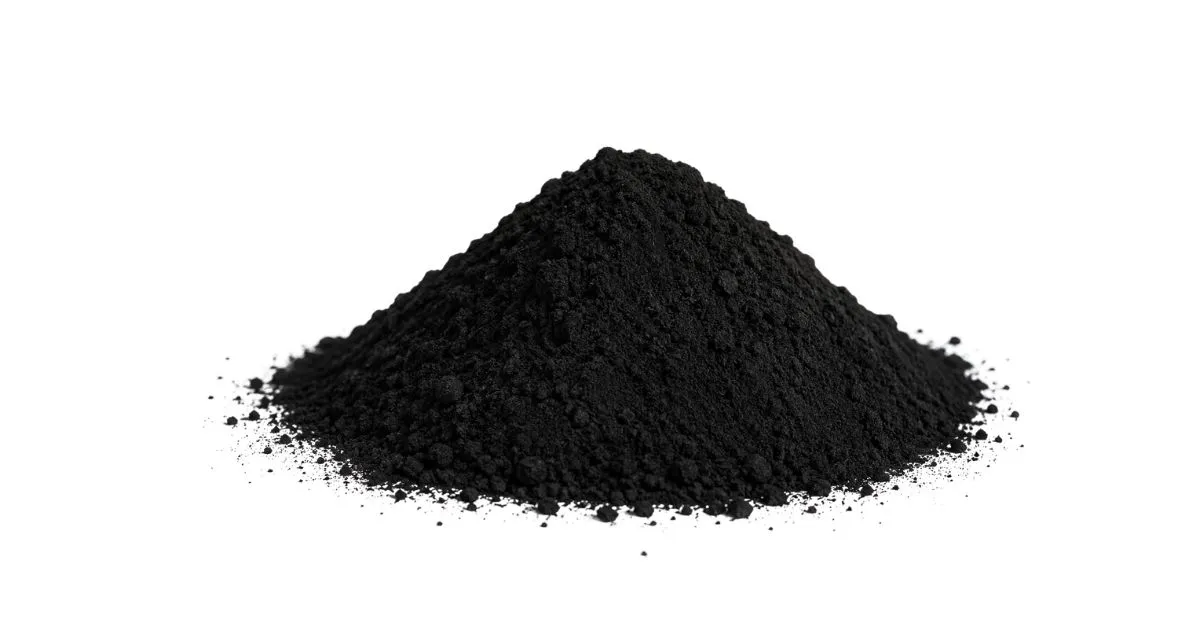
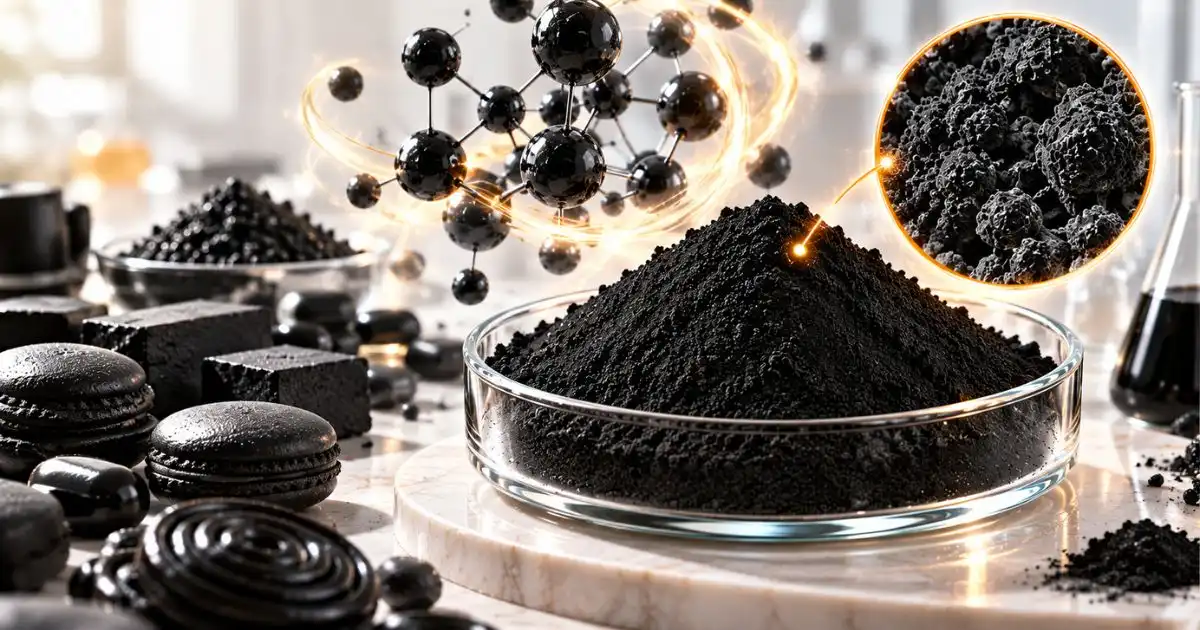
Most of the micro-crystalline lattice structure of vegetable carbon E153 is made up of pure carbon atoms. Coconut shells are carefully carbonized to make Yangge Biotech's Vegetable Carbon Black E153. This turns into a fine black powder that has no taste or smell and doesn't dissolve in water or organic solvents. It's great that the pigment doesn't dissolve because it means that the color doesn't change when it comes into contact with acidic or basic substances.
Key Physical and Chemical Specifications
| Parameter | Specification |
|---|---|
| Appearance | Fine black powder |
| Carbon Content | >95% (anhydrous basis) |
| Particle Size | Mean diameter <5 µm |
| Loss on Drying | <12% |
| Sulfated Ash | <4.0% |
| Solubility | Insoluble in water and oils |
| Heat Stability | Stable above 200°C |
Micronized particles have the most surface area and covering power. They are also less likely to clump while being distributed in both wet and dry production systems. E153 is tested for purity according to food standards, but lampblack or N220 industrial carbon are not. There are tight limits on heavy metals and polycyclic aromatic hydrocarbons (PAHs) in these standards that are not met by industrial grades.
Safety and Regulatory Profile
Food-grade carbon black e153 must have benzo(a)pyrene levels below 50 µg/kg, arsenic levels below 3 mg/kg, lead levels below 2 mg/kg, and mercury levels below 1 mg/kg. These levels have been checked and proven to be safe. This is what the EU Commission Regulation (EU) No 231/2012 and JECFA say. Yangge's goods are approved Kosher and Halal, and they are checked by labs around the world before they are sent out. You can get a Certificate of Analysis (CoA) if you ask for it.
How Carbon Black E153 Enhances Product Performance?
You can do a lot more with vegetable carbon E153 than just color things. It won't combine with flavorings, active ingredients in supplements, or stabilizers because it is neutral. It's very helpful in complicated recipes where it's important that all the parts work well together because of this.
Color Intensity and Stability Under Processing Stress
When organic dyes are exposed to high temperatures or the Maillard reaction, they break down. However, E153 stays a deep black color at temperatures above 180°C. This resistance to heat directly means that the product will look the same from batch to batch, which is very important for candy makers who are making Halloween sweets or black burger buns. The pigment doesn't fade in UV light either, so the color stays fresh longer in packages that are clear or partly clear. Because of this UV stability, pet food companies that make black-colored kibble bits can be sure that the product will still look good after being displayed in stores many times.
Performance Comparison: E153 vs. Alternative Pigments
| Property | Vegetable Carbon E153 | Synthetic Black PN | Activated Charcoal |
|---|---|---|---|
| Heat Stability (>180°C) | Excellent | Moderate | Moderate |
| pH Stability | Excellent | Variable | Good |
| PAH Compliance | Food-grade verified | N/A | Not standardized |
| Flavor Impact | None | Potential off-notes | Adsorption risk |
| Clean Label Compatible | Yes | No | Borderline |
| Kosher/Halal Certified | Yes | Varies | Varies |
Since these things are true, E153 is the best choice when efficiency and following the law need to be combined.
Application Insights: Where and Why to Use Carbon Black E153
When buying staff look at E153 to make new products, they will see that it has a lot of well-known and proven uses.
Here are the primary domains where Yangge's Vegetable Carbon Black E153 delivers measurable value:
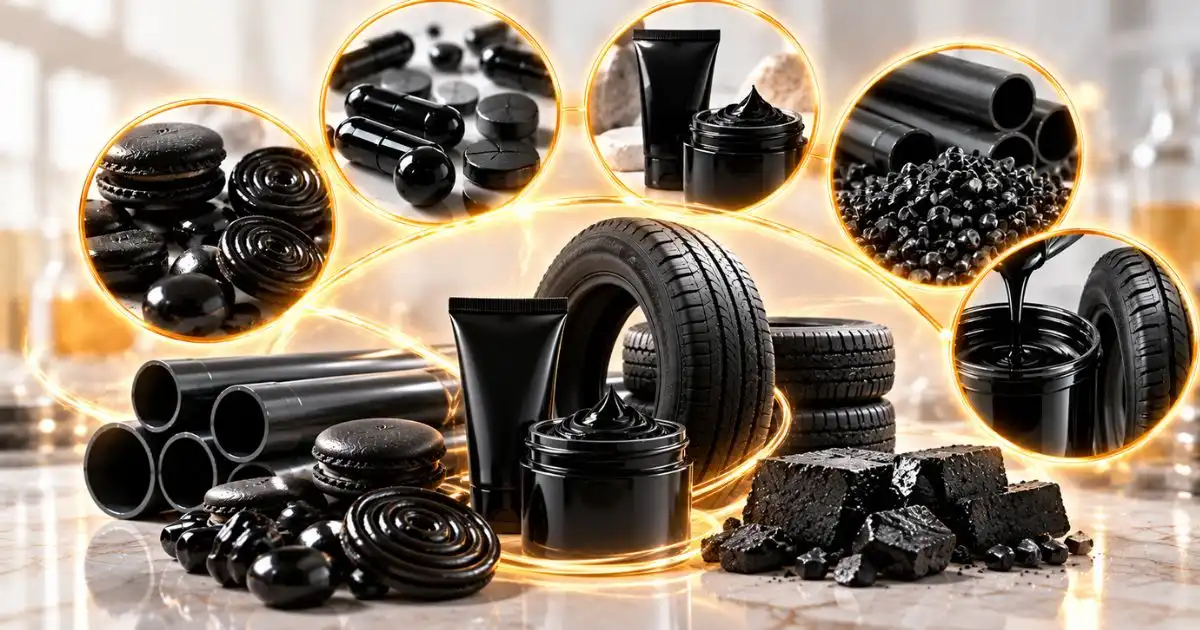
- Confectionery and Halloween Candy: For Halloween and candy stores that sell sweets and treats, this pigment gives licorice, hard candies, and jelly beans a shiny, opaque black finish that doesn't bleed into other color layers. Dosage rates of 0.1% to 0.5% can get deep black tones under EU "Quantum Satis" rules for most types of candy.
- Bakery and Savory Applications: When used in baking and cooking, it keeps burger buns, pizza crusts, and sweets with a charcoal theme very black even when heated above 180°C, which organic dyes can't do regularly.
- Pet Food Coloring: Gives molded kibble for dogs and cats a uniform black color. This helps high-end pet food brands stand out visually without changing the taste or safety of the ingredients.
- Cosmetic Applications: Vegetable Carbon Black E153 is kept on hand so that it can be used in makeup as well. It's easy to mix into creams, masks, and color cosmetics because the particles are all the same size.
For all of these purposes, the color black needs to be stable and strong enough to handle rough processing. E153 meets that need and has a level of agreement that man-made options in markets controlled by the EU can't match.
Procurement and Sourcing: How to Buy Carbon Black E153 Efficiently?
If you want to get food-grade E153, you need to do more than just save money on the kilogram. The buying process usually takes three to six weeks and includes testing samples, production trials, PAH analysis, and a review of compliance. This is all done before a buy order is sent out.
Yangge Biotech has a method that is easy to understand and use to help with the carbon black e153 buying process. Technical teams can get free samples weighing 10 to 30 grams for research and development. This way, they can check how stable and evenly distributed the product is before committing to large sales. You can order as little as 1 ton, and buyers in North America, Europe, and Southeast Asia can pick between FOB and CIF delivery. Yangge can meet short-term deadlines for buying things without having to stress about paperwork because they have 5 tons of the KOSHER/USP grade in stock.
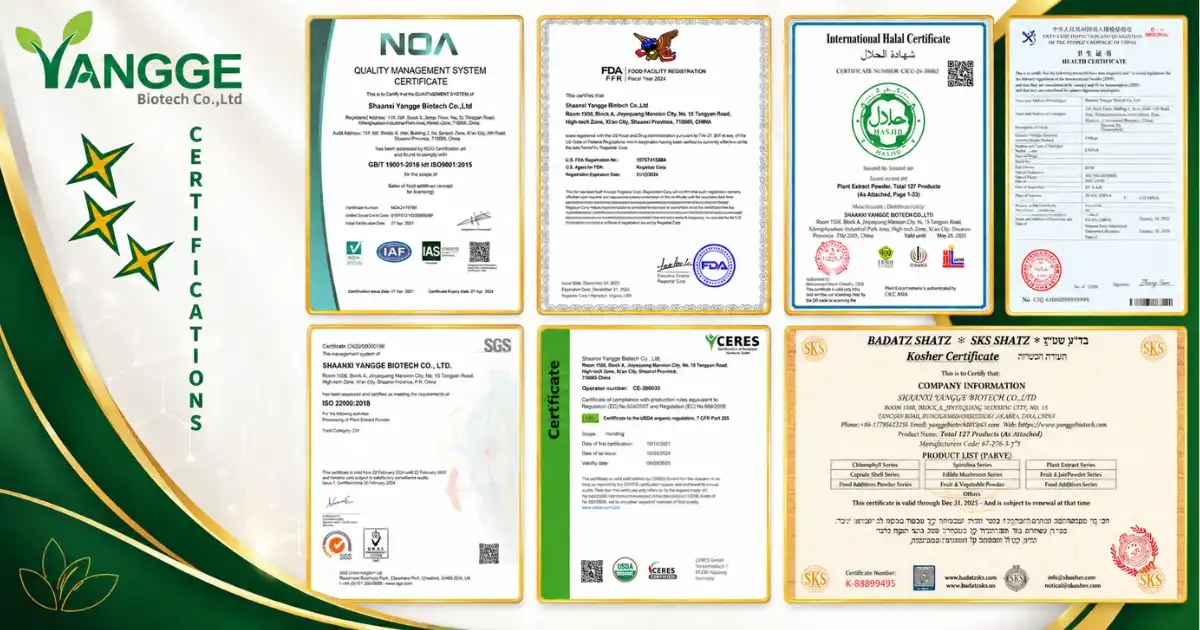
Critical documents to request from any E153 supplier include the Certificate of Analysis (CoA), Halal and Kosher certificates, PAH test results, and heavy metal panels checked by outside labs. Every package from Yangge comes with all of these.
Making an Informed Decision: Selecting the Right Carbon Black for Your Needs
You need to think about both the product details and the seller's reputation when picking a carbon black supplier. Product certifications show that a product is safe, but the long-term dependability of production depends on how well the supply chain works. This includes deliveries that happen on time, color stability from batch to batch, and quick technical support.
The company Yangge Biotech is certified by ISO, HACCP, Kosher, and Halal. Along with that, they follow GMP production standards and work directly with communities that support sustainable farming to keep track of their goods from the farm to the table. There are real credentials here, not just marketing claims. They've been checked by an auditor, and buying teams can use them when they look over the skills of sellers. The micro-crystalline particle structure (<5 µm mean diameter) of E153 makes it less likely that finished products will have black spots or streaks. This is the quality problem that makers most often have when they switch from pigment grades that are coarser or less pure.

Conclusion
Food and pet food companies need a black colorant that has strong, steady pigmentation, meets EU and foreign food safety standards, works with clean labels, and does the same thing from batch to batch. Vegetable Carbon Black E153 does all of these things. This is the technical base that Yangge Biotech builds on by adding free samples, confirmed traceability, and a transportation method that has been used before. There is no doubt that this data points to a source that values proof over claim if procurement managers and R&D engineers are looking at carbon black E153 choices.
FAQ
Q1: Is Vegetable Carbon Black E153 approved for use in the United States?
A: In the EU, Canada, and some Asian countries, E153 can be bought. Right now, the FDA doesn't allow it as a food color additive. If a company wants to sell its goods in the US, it should look at the rules for each group and think of other items that are allowed in those areas.
Q2: How do I prevent dusting and dispersion problems during manufacturing?
A: E153 powder can be unsteady when it is being worked with outside because it has a low mass density. The danger of dusting and cross-contamination is much lower when the pigment is used as a paste that has already been mixed with water, glycerin, or syrup-based carriers. This also makes the final product more uniform in color.
Q3: What is the recommended dosage rate for deep black color?
A: When used in food, 0.1% to 0.5% by weight is enough to make the color very dark. The EU lets most Group II groups use E153 at "Quantum Satis." So, formulators can figure out what the best amount is based on the grid and how it is being processed.
Q4: How does E153 differ from activated charcoal?
A: E153 is broken down into tiny particles to make it work better with color, and activated charcoal is changed so that it has the most binding surface area. It's not pure enough to be used as a food colorant because activated charcoal can take in flavors, nutrients, or medicines that it's not supposed to.
Request Your Free Sample of Vegetable Carbon Black E153 from Yangge
Researchers who can show they are qualified can get 10–30g of Vegetable Carbon Black E153 for free from Yangge Biotech. With ISO, HACCP, Kosher, and Halal approvals, we are a trustworthy Carbon Black E153 supplier. We offer full paperwork, adjustable FOB/CIF shipping, and the best customer service in the business. Contact our team right away at info@yanggebiotech.com to get our CoA and begin the process of qualifying.
References
1. European Food Safety Authority (EFSA). Re-evaluation of vegetable carbon (E 153) as a food additive. EFSA Journal. 2012.
2. Joint FAO/WHO Expert Committee on Food Additives (JECFA). Compendium of Food Additive Specifications: Carbon Black (Vegetable). FAO/WHO. 2016.
3. European Commission. Commission Regulation (EU) No 231/2012 laying down specifications for food additives. Official Journal of the European Union. 2012.
4. Hunger, K. (Ed.). Industrial Dyes: Chemistry, Properties, Applications. Wiley-VCH. 2003.
5. Downham, A., & Collins, P. Colouring our foods in the last and next millennium. International Journal of Food Science & Technology. 2000.
6. Saltmarsh, M. (Ed.). Essential Guide to Food Additives (4th ed.). Royal Society of Chemistry. 2013.

Based on your location and order quantity, you will have the opportunity to receive a limited time free shipping promotion!
Who we are
Popular Blogs